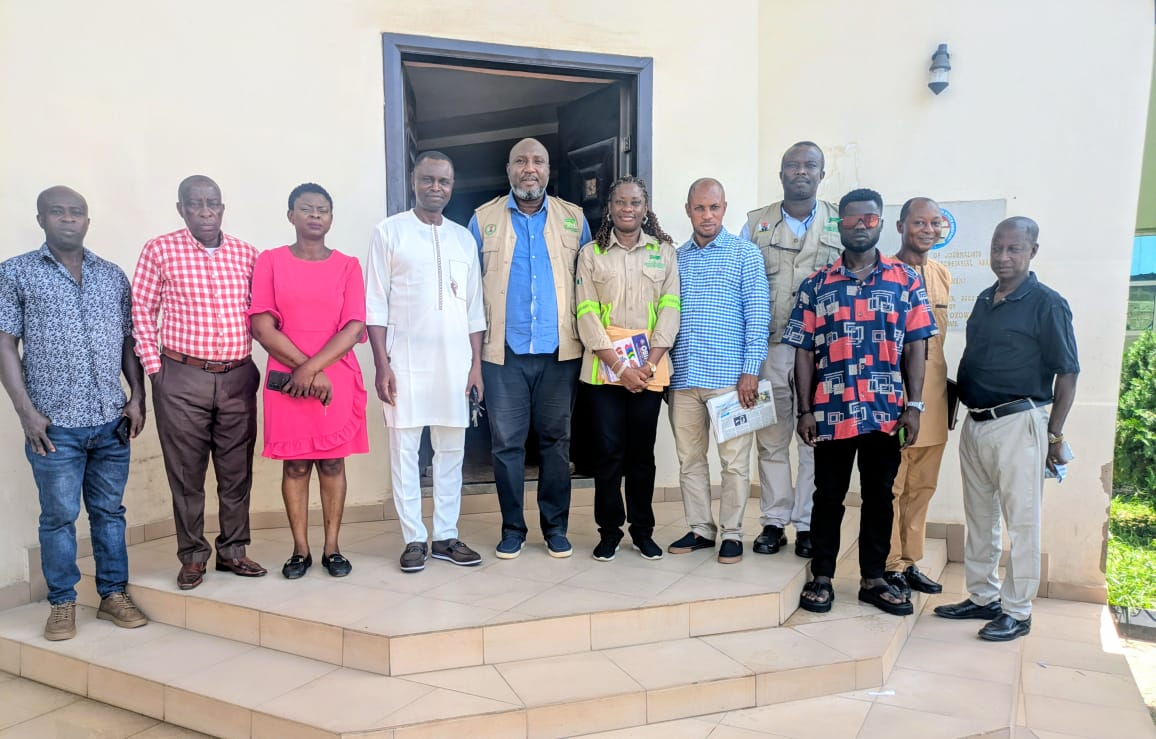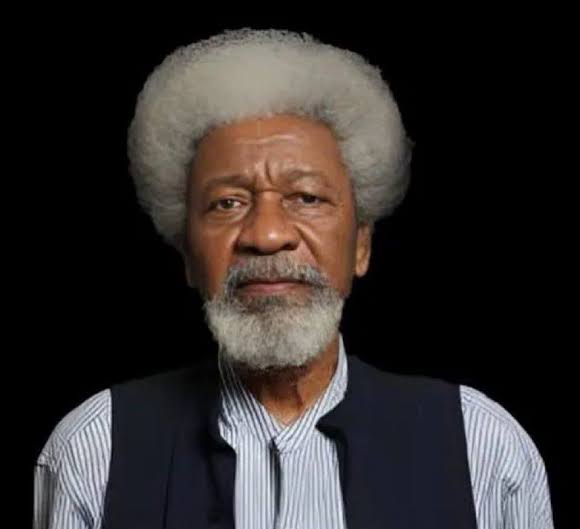
A renewed call for Africa to reclaim its identity and reshape global perceptions of the continent took centre stage in Asaba as Nobel Laureate, , and renowned environmentalist, , rallied support for cultural rebirth and continental unity.
The gathering, held at the Newton Jibunoh Convention Centre, Mandela Gardens, formed part of activities marking Africa Day and brought together members of the FESTAC 2027 Team, cultural advocates, media professionals and stakeholders committed to advancing African identity through arts and heritage.
Rather than focusing solely on celebration, discussions at the event centered on what speakers described as the urgent need for Africans to take ownership of the continent’s narrative and actively challenge stereotypes that continue to define Africa in negative terms globally.
Speaking at the event, Soyinka urged Nigerians and Africans to move beyond passive concern and embrace collective responsibility in projecting the continent positively.
According to the literary icon, Africa possesses immense cultural wealth, history and resilience that must be intentionally showcased to counter narratives that diminish the continent’s achievements and humanity.
He emphasized that meaningful change would require a united effort from citizens, creatives, intellectuals and institutions committed to lifting Africa from what he described as lingering “shackles of darkness.”
Soyinka also used the occasion to commend Jibunoh for decades of advocacy rooted in humanitarian and environmental causes, recalling the adventurer’s famed desert-crossing expeditions undertaken to draw global attention to Africa and foster continental consciousness.
Describing him as a courageous figure whose sacrifices symbolise commitment to a larger cause, Soyinka said more Africans must contribute — regardless of how modestly — to initiatives that promote African unity, culture and self-belief.
The Nobel Laureate further urged stakeholders to lend support to the vision of the Festival of Black and African Arts and Culture (FESTAC), stressing that cultural platforms remain critical in preserving African values and strengthening continental identity.
Earlier, Jibunoh reflected on Africa’s post-colonial journey, arguing that liberation must extend beyond politics to include freedom from mental and cultural dependence inherited from colonial rule.
He explained that his commitment to reviving FESTAC stemmed from his participation in the historic FESTAC ’77 hosted by Nigeria, insisting that Africa must preserve and reinvent spaces that celebrate its artistic and cultural legacy.
In an emotional tribute, Jibunoh praised Soyinka for years of solidarity during difficult periods of activism and advocacy, announcing that the library within the convention centre had been named in honour of the Nobel Laureate.
The event concluded with a guided tour of galleries within the centre, where Soyinka viewed photographs, artworks and archival displays documenting Jibunoh’s environmental campaigns, human rights advocacy and cross-continental journeys.
For many attendees, the gathering represented more than an Africa Day celebration — it served as a reminder that the battle for Africa’s image may increasingly depend on culture, memory and a renewed belief in the continent’s own story.