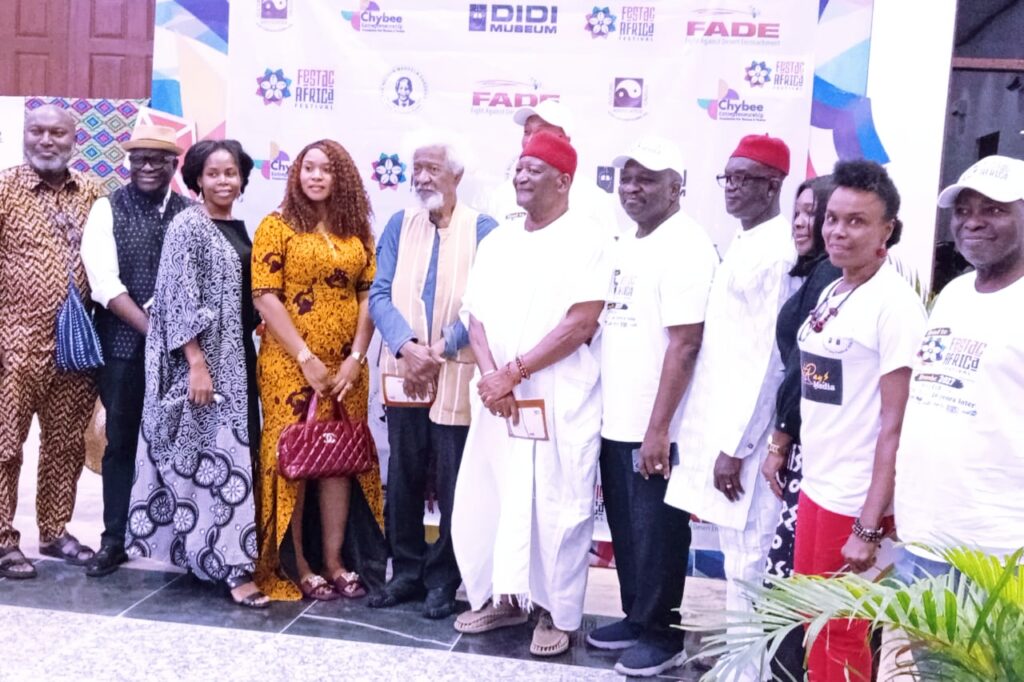
The visit of Nobel Laureate, , to Asaba has ignited renewed calls for stronger media participation and grassroots cultural mobilisation as preparations intensify for the 2027 Festival of Black and African Arts and Culture (FESTAC), expected to return to Nigeria after 50 years.
At a stakeholders’ gathering in Asaba, attention shifted beyond the celebration itself to the crucial role storytelling, public engagement and cultural preservation will play in ensuring Delta State maximizes its status as one of the designated centres for the continental festival.
Speakers at the event stressed that the success of FESTAC 2027 would depend not only on government planning but also on how effectively communities, creatives and the media embrace the movement ahead of the global cultural showcase.
Chairman of the FESTAC 2027 Team, , said the cultural festival was conceived as a unifying force for Africa following the destabilising effects of imperialism and colonialism, noting that the event remains relevant as African nations seek renewed identity and collaboration.
Abioye traced the recent revival of FESTAC across African countries, explaining that after years of dormancy, the festival resumed in Zanzibar in 2022 before moving through Eritrea and Tanzania in 2023, Kenya in 2024 and Ghana in 2025.
According to him, Senegal will host activities later this year in honour of former Senegalese statesman and literary figure, , ahead of Nigeria’s hosting in 2027 to mark the 50th anniversary of the historic event.
He encouraged Deltans, particularly residents of Asaba, to begin positioning themselves for active participation, stressing that the festival offers a rare platform to promote indigenous culture, local creativity and community identity on an international stage.
In a significant intervention, renowned adventurer and environmentalist, , placed responsibility on the media, urging journalists and media organisations in Delta State to sustain visibility for FESTAC activities before, during and after the event.
Jibunoh said sustained publicity would not only build public awareness but also help drive participation, cultural tourism and wider international attention to Delta State.
The gathering, attended by stakeholders from the public and private sectors, media practitioners and arts enthusiasts, featured cultural dance performances, drama presentations and poetry recitals — moments that underscored the enduring relevance of African storytelling and artistic expression.
For many observers, Soyinka’s presence at the gathering symbolised more than literary prestige; it served as a reminder that culture, memory and identity remain central to Africa’s global narrative as Delta begins preparations for one of the continent’s biggest cultural reunions.