
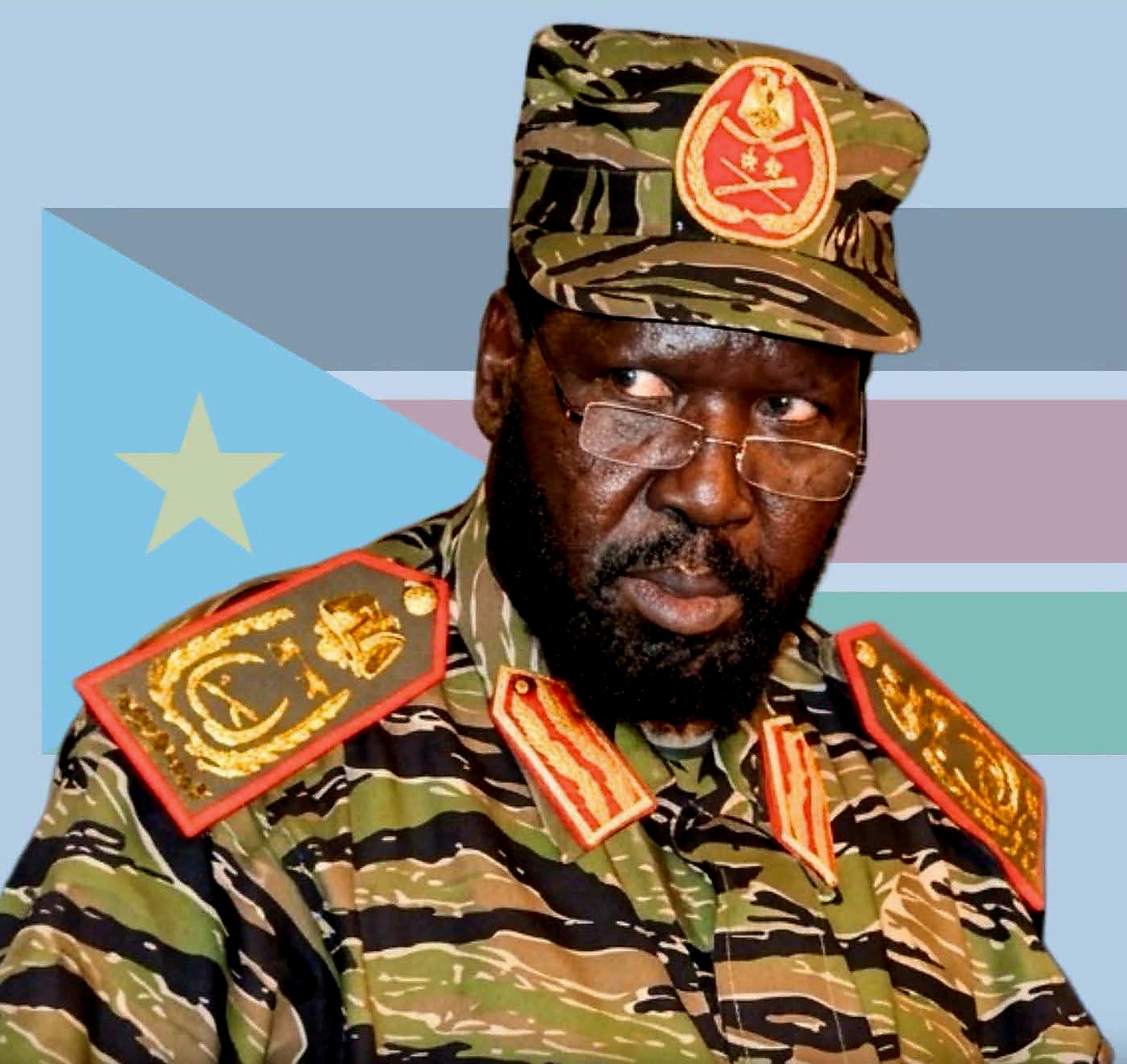
Political tensions are deepening in South Sudan ahead of the country’s planned December 22, 2026 elections, with opposition groups raising fresh concerns over the credibility of the electoral process and rejecting dialogue they say is not sufficiently independent.
The disagreement comes as the government under President Salva Kiir Mayardit pushes ahead with preparations for the country’s first general election since independence in 2011.
South Sudan’s National Elections Commission announced on June 22 that the election would take place on December 22, 2026, after repeated postponements linked to political, security and logistical challenges.
But opposition groups have questioned whether the conditions required for a credible and inclusive election are currently in place.
The United People’s Alliance, or UPA, has called for an inclusive national dialogue and a neutral transitional arrangement before elections, arguing that important legal, constitutional and security requirements have not been completed.
The Sudan People’s Liberation Movement-In Opposition, SPLM-IO, has similarly questioned the election timetable, saying key provisions of the 2018 Revitalized Agreement on the Resolution of the Conflict in South Sudan remain unimplemented.
The opposition maintains that elections should only proceed when adequate conditions exist for a free, fair, credible and peaceful vote.
Dispute Over Dialogue
At the centre of the latest political disagreement is the proposed dialogue process.
Opposition actors have expressed reservations about participating in talks they believe could be dominated by the government. They have instead called for broader engagement involving neutral or regional actors, including the African Union and the Intergovernmental Authority on Development.
The demand comes against the backdrop of years of incomplete implementation of the 2018 peace agreement, which remains the principal framework for South Sudan’s political transition.
The African Union has repeatedly stressed the importance of full implementation of the Revitalized Agreement, inclusive dialogue and a peaceful constitutional transition in South Sudan.
The United Nations has also warned that outstanding political and security issues could undermine the electoral timetable.
In April, the UN Mission in South Sudan said preparations for the December elections were running short of time, citing limited funding for electoral institutions and outstanding legal, security and other processes.
Security Concerns
The political dispute is unfolding amid continuing insecurity in parts of South Sudan.
A recent UN report warned of intensified hostilities in several states, including Jonglei, Upper Nile and Unity, with violence affecting civilians and humanitarian operations.
UNMISS has also continued to call for an end to hostilities and renewed commitment to implementing the peace agreement, stressing that political dialogue and compromise remain essential to the country’s transition.
The government has maintained its commitment to elections in December, while opposition groups and other stakeholders continue to question whether the political, legal and security environment is sufficiently prepared for the vote.
Against this backdrop, reports of changes within the country’s military leadership have added to attention surrounding the government’s security and political strategy. Lt. Gen. Garang Ayii Akol and Lt. Gen. Kong Thou were identified in the supplied report as having received new or renewed senior military responsibilities. These specific appointments, however, require confirmation from an official South Sudanese government or military source before being presented as independently verified developments.
A Critical Election Deadline
The December 22 election date represents a major milestone for South Sudan, which became independent in 2011 but has yet to conduct a general election in the post-independence era.
The country’s transition has been repeatedly extended, while the implementation of the 2018 peace agreement has remained incomplete. UNMISS says the agreement has been extended several times and that outstanding political and security issues continue to complicate the transition.
For President Kiir’s government, holding the election as scheduled would mark a significant step towards ending the prolonged transitional period.
For the opposition, however, proceeding without resolving outstanding elements of the peace agreement could deepen political divisions and undermine confidence in the outcome.
The African Union, IGAD and the United Nations have all stressed the importance of inclusive political engagement and implementation of the peace framework as South Sudan approaches the election deadline.
With just months remaining before the scheduled vote, the ability of the government and opposition to reach common ground could determine whether South Sudan moves towards a peaceful political transition or faces another period of uncertainty.
For millions of South Sudanese, the central question is no longer simply whether elections will take place, but whether the country can create the political and security conditions necessary for those elections to be credible, peaceful and inclusive.
