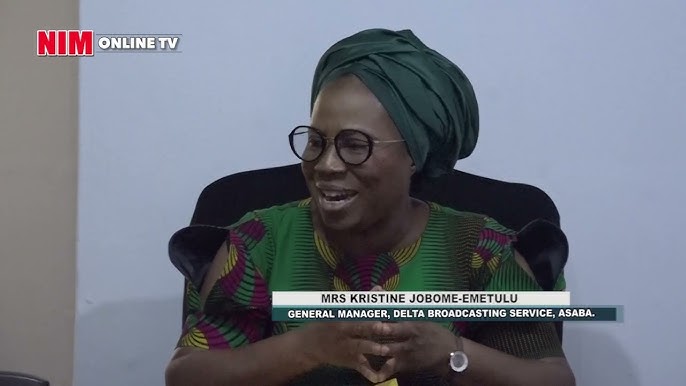
The importance of personal presentation as a key factor in career advancement and social acceptance came into focus in Asaba as media professionals and youth corps members were urged to embrace decent dressing as part of broader values of discipline and responsibility.
The call was made by the General Manager of the Delta Broadcasting Service (DBS), Asaba, , during a send-forth ceremony organised for an outgoing corps member at the station.
Rather than treating dressing as a purely personal choice, the DBS leadership framed appearance as a professional asset that can influence perception, credibility and access to opportunities in both formal and informal settings.
Jobome-Emetulu stressed that first impressions often play a decisive role in how individuals are assessed, especially in competitive environments such as media, public service and corporate organisations.
She noted that young people must begin to understand that their outward appearance often communicates values such as discipline, responsibility and self-awareness even before they speak.
The DBS boss specifically cautioned against styles of dressing she described as inappropriate for professional and public environments, urging youths to be mindful of how trends and fashion choices may affect how they are perceived in society.
She also advised corps members to see themselves as representatives of their families, institutions and the nation at large, adding that personal conduct and appearance are closely tied to reputation.
According to her, success in life is not determined by appearance alone, but by a combination of proper dressing, hard work, humility and consistent dedication.
The event also served as a platform to reflect on youth development and workplace ethics, particularly within media institutions where public image and credibility remain essential components of service delivery.
Stakeholders at the ceremony encouraged young professionals to balance personal expression with societal expectations, especially in environments where professionalism and public trust are critical.